Why Semantic Thread
People often ask me that, and the honest answer starts long before I had a name for any of this.
I’ve been translating since I was a child: moving between languages, between symbols, between the ways different cultures choose to express the same idea. Long before I encountered the word semantics, I understood, instinctively, that words are never quite enough on their own. You need the context around them. You need to know what someone means, not just what they say.
That instinct followed me into a career that has spanned almost twenty years of trying to create shared meaning across teams, systems, and disciplines. And it’s followed me now into a master’s degree in Digital Solutions, where I’m working on something called semantic interoperability. A term that sounds technical, almost cold, but is actually built from a much older and more human lineage than people realise.
Definition of terms
Ontology is the oldest of the three ideas that shape this work, dating back to the 1600s, from the Greek for the study of being. It asks, simply, what exists. Semantics is younger, arriving in the 1880s, asking a narrower question: what do our signs and words actually mean. Interoperability being the newest, coined in the 1960s, originally describing how allied armies with different equipment and doctrine could still function together in the same war. Three questions, stacked backward through history, all converging on the same modern problem: how do separate systems and separate people work together.
Translation without compromise
And that’s the piece I keep coming back to. We are, as a species, extraordinarily technical. We have solved federation. We have built ontology models. The tools exist. But interoperability keeps failing anyway, because we keep treating it as an engineering problem when it is, underneath, a human one. It requires patience, culture, organisation: the willingness to hold someone’s hand through a difference and say, oh, when you say that, here’s what it means to me. Let’s find the bridge.
Because here is the distinction I think gets missed constantly: shared meaning is not the same as agreement. You don’t need to believe that a word means the same thing to you as it does to me. You need a reliable way to translate between us. That’s what interoperability meant even in its military origins, and it’s what I’ve been doing, without knowing its technical definition, since I was young.
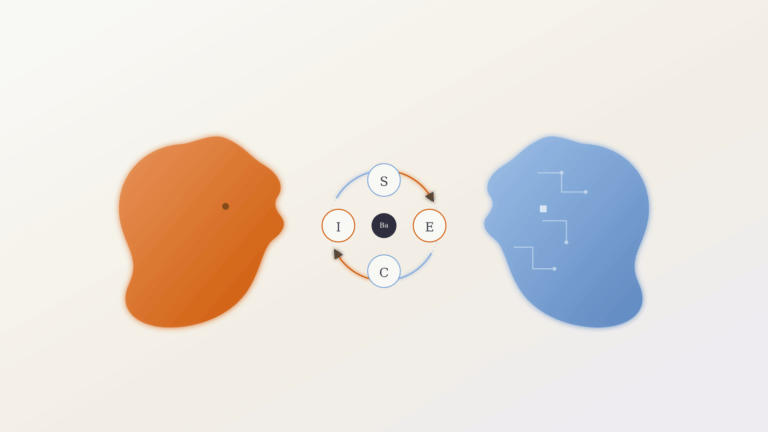
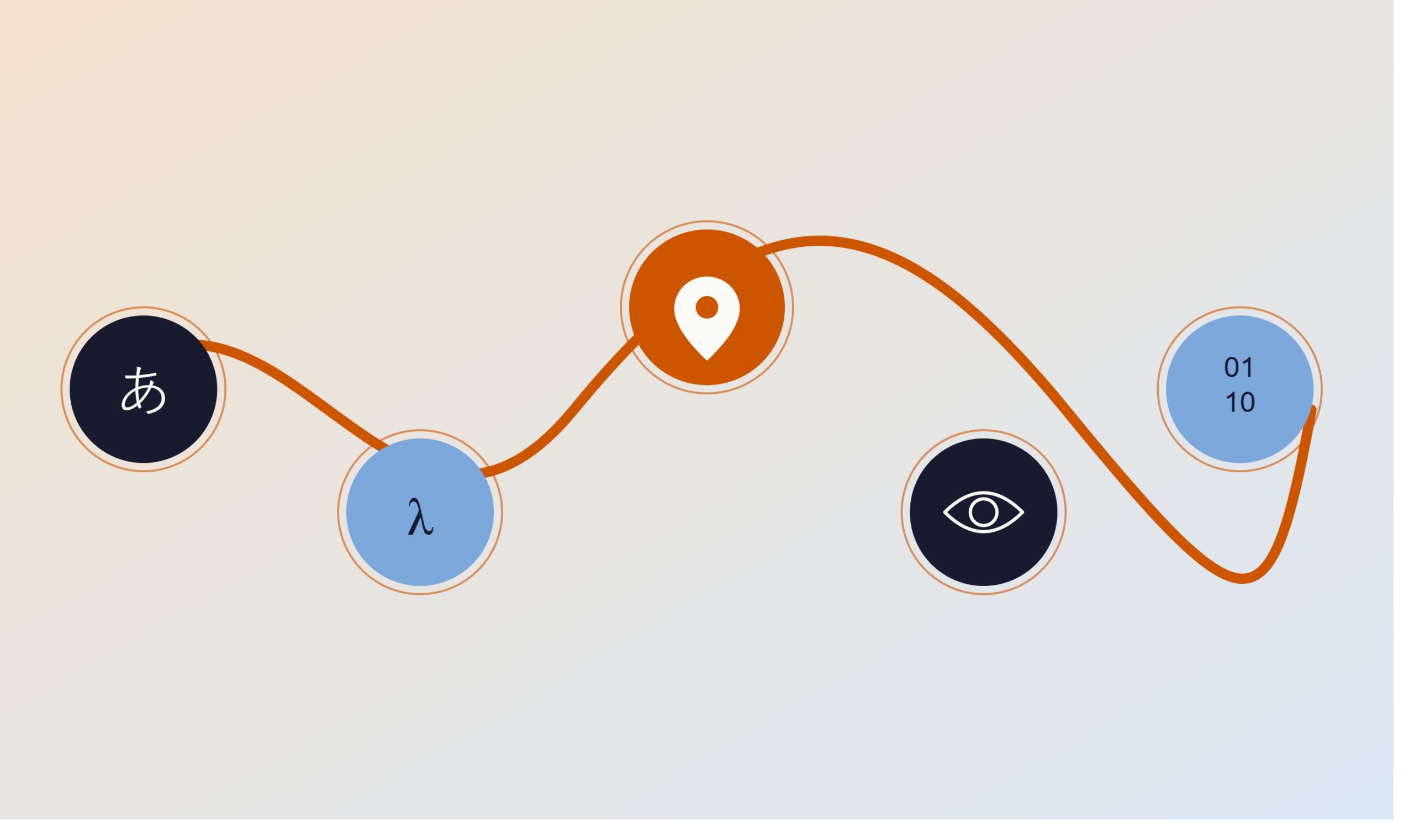
So that’s the name. Semantic Thread is not really about me. It’s about the thing I keep trying to conjure and place in the middle: between people, between systems, between languages; so that meaning can travel across the gap without anyone having to give up their own version of it.